
The course offers an introduction into the use of crowdsourcing and social media when implementing public history projects, with a special focus on digital engaging the public in the design, conduct, and dissemination of research.
Crowdsourcing – also known as citizen science – is becoming more and more common in the humanities as a tool for processing vast amounts of data. Members of the broader public have been involved into the collection, digitization, transcription, and description of historical sources within crowdsourcing projects run by various cultural and educational organizations – galleries, libraries, archives, and museums. However, it is more than just a framework for creating content. It allows to create a community of interested individuals who are ready to work towards a specific aim.
Across industries, including the fields related to cultural heritage, social media is turning from a “nice to have” to a significant component of business strategy. Digital engagement is no longer just digital but stretches across the whole visitor experience. Cultural and educational organizations increasingly recognize the power of social media in reaching and broadening their audience. Engaging the public using digital tools benefits both the audience and the organizations. The audience has easy access to the collections and knowledge, and they can learn through direct engagement with the help of interactive and collaborative tools. For cultural organizations, social media is an efficient way to present their work and exhibits and to involve the audience into the formation and curation of the collections.
50% of the final grade will come from class participation and 50% from the crowdsourcing project created on by the students. Each class will include a discussion and analysis of cases. Students will reflect on the case and present their own project. Students may be asked to work in small groups and to report on the results of small-group discussions. There will be a few compulsory readings, but also some practical homework.
Курс викладається для студентів 3 курсу історичної прогами "Artes Liberales", спеціальності "Історія та археологія", Гуманітарний факультет.
Навчальна дисципліна "Довге XIX ст": Габсбурзька монархія та Російська імперія (кін. XVIII ст.-1917 р.) ознайомлює студентів з ключовими подіями, фактами, процесами, що відбувались на українських землях в складі Габсбурзької монархії та Російської імперії. Концептуальними проблемами курсу являються питання повсякденності, інтелектуальної історії, взаємодії імперських центрів із своїми "внутрішніми колоніями", соціально-економічної та культурної-релігійної історії. Курс висвітлює не лише характерні аспекти життя і діяльності діячів, що спричинилися до національного відродження та процесу націотворення, а й має на меті відтворити територіальну, багатоетнічну та мультикультурну історію українських земель в складі Габсбурзької монархії та Російської імперії.
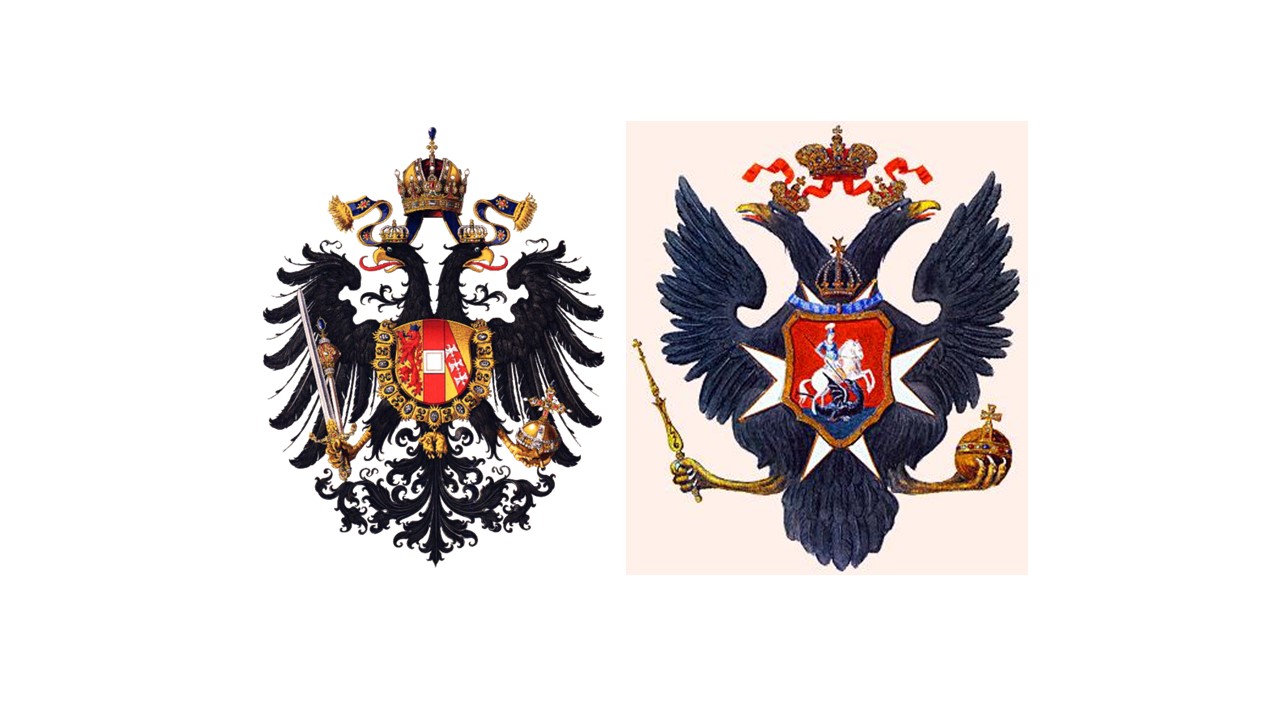
- Викладач: Lylo Orest
- Викладач: Vulochyn Andrii
Курс “Україна: традиція, суспільство” охоплює період від доби Київської Русі до сучасності. Курс має на меті покращити знання студентів з основних подій історії України, навчити критично мислити, аналізувати важливі історичні аспекти української історії у широкому історичному контексті. Важливим доповненням до змісту предмету є вивчення маловідомих тем з історії повсякдення.
- Викладач: Stefaniv Vasyl